September 9, 2026
Scientific evidence on the importance of strength training for patients being treated with GLP-1s
Technogym helps maintain muscle mass during GLP-1 treatment thanks to Technogym App and its training protocols.

In recent years, a new category of drug known as "incretins", more generally called GLP-1 receptor agonists, has revolutionised the treatment of obesity and type 2 diabetes by offering significant benefits in terms of weight loss and improved glycaemic control. However, concerns are emerging related to the potential loss of muscle mass linked to these treatments, with significant implications for long-term health, as came out of a recent editorial in the prestigious journal The Lancet entitled “Muscle matters: the effects of medically induced weight loss on skeletal muscle”, which underlined how GLP-1 receptor agonists have revolutionised the treatment of obesity and proven to be effective in reducing body weight. Despite this, the effects linked to loss of muscle mass are raising several concerns.
Loss of muscle mass with GLP-1s
Recent studies indicate that weight loss induced by GLP-1s can lead to a significant reduction in muscle mass. In particular, it is estimated that up to 40% of the lost weight could derive from the loss of muscle tissue (Conte C, JAMA 2024), a percentage higher than that found with traditional low-calorie diets or the normal ageing process. This decrease in muscle mass can lead to:• A reduction in physical strength and muscle function.• An acceleration in the ageing process.• An exacerbation of sarcopenic obesity, a condition characterised by high fat mass and low muscle mass, linked to poor cardiovascular performance and increased mortality.

The importance of physical exercise
Although until recently the role of training in fighting the loss of muscle mass brought on by GLP-1s was unclear, recent studies such as Sandstal et al. published in ‘Cardiovascular Diabetology’ and Locatelli et al. published in Diabetes Care, have clearly demonstrated how, to combat the loss of muscle mass during treatment with GLP-1s, the inclusion of a programme of regular physical exercise is fundamental. In particular, resistance training, especially strength training, has been shown to be effective in preserving and increasing muscle mass.
This type of exercise not only contributes to maintaining strength and muscle function, but also helps:
This type of exercise not only contributes to maintaining strength and muscle function, but also helps:
- Accelerate basal metabolism
- Improve insulin sensitivity
- Promote better glycaemic control
- Reduce overall inflammation
As in all training programmes, a specific programme for maintaining and developing strength is effective if it includes the right exercises, carried out with the correct load and, most importantly, is done regularly.
Whether someone is new to exercise or looking to build a more consistent routine, technology can provide valuable support throughout the training journey.
A key advantage of technology is the opportunity to train at home with the Technogym App, which offers personalized training experiences tailored to the needs of individuals undergoing GLP-1 treatment. With a Precision Program, training recommendations are automatically adapted to each user's goals, characteristics, and progress, ensuring an effective and engaging exercise experience. For those looking to preserve and build muscle mass while losing weight, the Get Stronger goal provides targeted strength training designed to support muscular development. Technogym AI Coach guides users through every workout, helping them perform exercises correctly, train at the appropriate intensity, and maintain the right balance between training and recovery for sustainable results.
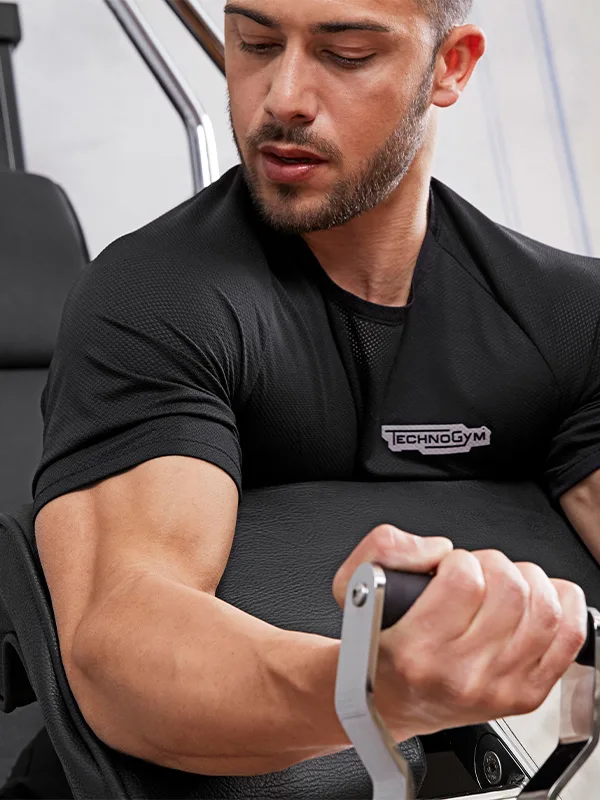
Biostrength and Biocircuit are revolutionary pieces of strength training equipment: after an initial test session they automatically adapt to the subject’s characteristics, selecting the seat height, the position of the levers and the correct lifting load. The load is then adapted independently based on the user's progress and, once the exercise has been completed, indicates the next piece of equipment to move on to, which independently sets itself based on the individual’s characteristics. This translates into effective training and, especially, makes it easier to stick to a training programme, a fundamental prerequisite for achieving results.
Whether someone is new to exercise or looking to build a more consistent routine, technology can provide valuable support throughout the training journey.
A key advantage of technology is the opportunity to train at home with the Technogym App, which offers personalized training experiences tailored to the needs of individuals undergoing GLP-1 treatment. With a Precision Program, training recommendations are automatically adapted to each user's goals, characteristics, and progress, ensuring an effective and engaging exercise experience. For those looking to preserve and build muscle mass while losing weight, the Get Stronger goal provides targeted strength training designed to support muscular development. Technogym AI Coach guides users through every workout, helping them perform exercises correctly, train at the appropriate intensity, and maintain the right balance between training and recovery for sustainable results.
Biostrength and Biocircuit are revolutionary pieces of strength training equipment: after an initial test session they automatically adapt to the subject’s characteristics, selecting the seat height, the position of the levers and the correct lifting load. The load is then adapted independently based on the user's progress and, once the exercise has been completed, indicates the next piece of equipment to move on to, which independently sets itself based on the individual’s characteristics. This translates into effective training and, especially, makes it easier to stick to a training programme, a fundamental prerequisite for achieving results.


Long-term benefits
The maintenance of muscle mass through physical exercise offers several long-term benefits, including:
• Preventing Sarcopenia: With ageing, the loss of muscle mass and strength can lead to disability and reduced quality of life. Physical exercise helps prevent or delay the onset of sarcopenia.
• Improving Metabolic Health: Greater muscle mass helps improve control of blood sugar levels and reduce the risk of developing metabolic diseases.
• Supporting Bone Health: Resistance training also has positive effects on bone density, reducing the risk of osteoporosis and fractures.
• Preventing Sarcopenia: With ageing, the loss of muscle mass and strength can lead to disability and reduced quality of life. Physical exercise helps prevent or delay the onset of sarcopenia.
• Improving Metabolic Health: Greater muscle mass helps improve control of blood sugar levels and reduce the risk of developing metabolic diseases.
• Supporting Bone Health: Resistance training also has positive effects on bone density, reducing the risk of osteoporosis and fractures.
Conclusions
Although GLP-1s represent a turning point in the treatment of obesity and type 2 diabetes, it is vital to recognise and tackle the potential side effects, such as the loss of muscle mass. Building in a programme of regular physical exercise, particularly resistance training, is crucial to preserving muscle mass, improving metabolic health and guaranteeing better quality of life, especially in the elderly. Patients treated with GLP-1s should be encouraged to work with healthcare professionals to develop tailor-made exercise plans that meet their specific needs. Technology offers an extremely valuable contribution in terms of carrying out the exercises correctly and sticking to a training programme over time.