
5 top tips to beat DOMS after a workout at home
Since taking your workout routine to a new level or starting to workout again after a long time, you may be starting to notice that with this new increase in activity comes something not so fun.

Aching muscles. Sore body parts. Pain in places you never even felt before! Any increased intensity to your workout and exercise routine is liable to cause Delayed Onset Muscle Soreness (DOMS), which (although sometimes painful!) is nothing to be worried about as it is a natural reaction within your body. The good news is that your body gets used to increased activity quickly, so DOMS should not become something that always happens and should lessen over time.

DOMS IS TOTALLY NORMAL
It’s that pain you feel 24-72 hours after a workout, which typically peaks around 48 hours post workout and is a result of micro trauma to your muscles, and the accumulation of waste products as a result of exercise. This is totally normal!
Most research, such as this by Tidball, suggests that this muscle soreness occurs due to an inflammatory response to the muscle tissue damage that has taken place as part of your training.
Most research, such as this by Tidball, suggests that this muscle soreness occurs due to an inflammatory response to the muscle tissue damage that has taken place as part of your training.
HAVING DOMS IS A POSITIVE SIGN – IT IS AN INDICATION THAT YOU TRAINED EFFECTIVELY BY MAKING A MUSCLE REPAIR ITSELF INTO A STRONGER STATE THAN IT WAS IN BEFORE YOU TRAINED.

5 TIPS FOR BEATING DELAYED ONSET MUSCLE SORENESS
But don’t let this put you off – it means you have made progress in achieving a more active and healthy lifestyle. It’s a sign that you are getting fitter, stronger and healthier! There are also ways you can reduce DOMS, such as these five tips.
1. STAY HYDRATED
A lack of electrolytes contributes to muscle soreness so you need to make sure you are staying hydrated throughout your workout. Your muscles are working harder and so they demand more oxygen and therefore need more blood pumping around – around 82% of your blood volume actually consists of water, so hydration is much more important and effective than simply quenching your thirst!
One easy way to keep your hydration levels up is to keep a water bottle with you while training, and after every set completed or every five minutes of cardio that you complete, such as on a treadmill, take a sip of water.
You also want to be sure to replace the amount of fluid lost during your workout once you have finished training. Try drinking fresh coconut water or an electrolyte drink following your workout to ward off dehydration that can make your muscle stiffness worse. Also try to avoid beverages high in sugar, salt and caffeine, which can increase dehydration.

2. GET A MASSAGE
Massage has been found to play a critical role in reducing inflammation in the body. It also stimulates the mitochondria, the tiny cells that convert glucose into energy, and which are essential for cell function and repair. So not only does a light massage after exercise feel good, it can also help to reduce pain from DOMS and aid your muscle recovery by easing inflammation, improving blood flow and reducing muscle tightness and swelling. You can also massage many of your own muscles, such as when you are moisturising after a shower, or even while showering – simply rub your calves, hamstrings, quads, biceps and so on to help ease DOMS.
3. INCREASE CIRCULATION
One of the reasons that you experience muscle soreness is because your training has caused small muscle tears, which then repair to make them stronger. You can shorten the duration of DOMS caused by these small tears by increasing blood circulation. Better blood circulation means more oxygen-rich and nutrient-rich blood will be going to the injured muscles, while increased blood flow also helps to wash away the chemical irritants responsible for pain.
One way to boost your circulation is through warmth. Try taking a warm (not hot as this can have the opposite effect!) bath, and for extra pain relief, add to it 200 to 400 grams of Epsom salts. The magnesium in the solution can be absorbed through the skin, helping reduce soreness and improve muscle function.
Another circulation-improving trick is to try using form-fitting compression clothing, which can push blood through the veins, slowing fatigue and reducing swelling.

4. SLEEP
Sleep is a really powerful tool for preventing DOMS and for muscle building, and is also key for a wellness lifestyle. Muscle-building chemicals such as Human Growth Hormone are naturally produced by your body in the deep stages of sleep. Aim for a minimum of 7 hours sleep to really help your body to recover from exercising.
If you find it difficult to reach the state of deep sleep required for a good recovery, then try practicing deep and slow breathing, and also turn off any electronics an hour before going to bed. Taking an salt bath as described above can also help to bring on a state of deep, high quality sleep.
Sleep is a truly regenerative process where your body is able to restore, rebuild and adapt. Developing a good sleep routine won’t only help with DOMS but will also help in gaining muscle and losing fat long term.
5. ACTIVE RECOVERY
Probably the last thing you feel like doing when you experience DOMS is moving your sore muscles. However, active recovery where you perform gentle, restorative movements can be one of the most effective tools you can use to dramatically decrease the amount of muscle soreness you experience. After all, sedentary lifestyles cause more hard than good – so get moving!
Light exercise that can help to stretch the sore muscles can also provide some pain relief by keeping your muscles moving. Even going for a walk, or taking the stairs instead of the lift, will help.
Active recovery can be painful to start, but after a few minutes, when the blood gets flowing and the muscles get warmed up, it will usually start to feel better. Slow, gentle stretching of the area will also relieve that tight feeling and help to reduce the pain.
One way to avoid DOMS from happening is having a cool down phase after each workout. Finish your training sessions with a 10-minute light cardio session, and then do some dynamic stretching like lunges, squats, or arm circles.
BEATING DOMS
All of that said, overdoing exercise can cause extreme soreness, burnout and even injury. Allow ample time for your muscles to fully recover before seriously training them again.
At the end of the day, DOMS is a positive reaction and is an alert from the body to ease off the hard training until you feel comfortable again. Ignoring that message from your body can cause more harm than good. Regularly over-training yourself eventually leads to diminishing returns, plateau, and injury – so be sure to listen to your body and what it’s communicating to you in clear, easy-to-understand ways.
The ultimate goal of any training program is to find the optimal balance between work and recovery. So while you stay focussed and motivated on your fitness goals, make sure you keep your training safe and allow time to fully recover to really ensure you have the progress you desire by the end of the year.




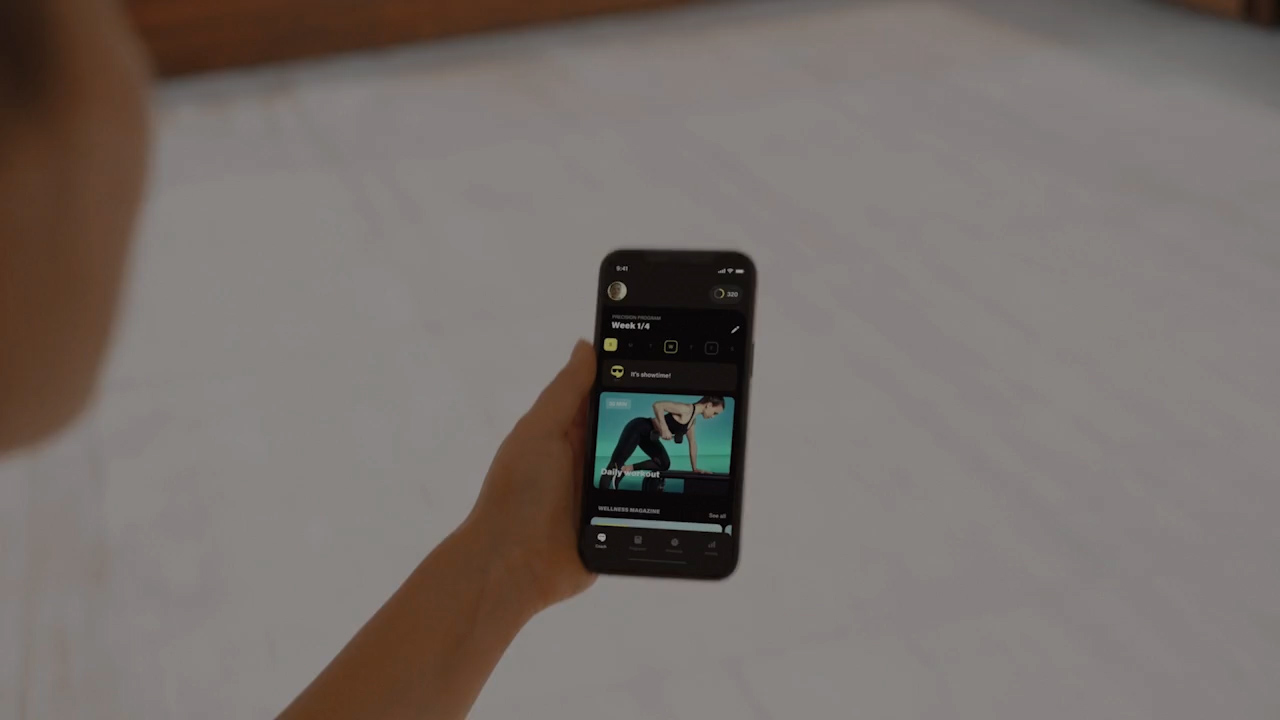
DOWNLOAD TECHNOGYM APP
Join the Technogym community and gain access to 1,000+ on-demand workouts, follow personalized training programs, and train with expert coaching and Technogym AI Coach guidance. Track your progress, take on challenges, and share your results to stay motivated.