2 November 2026
Workout programs guide: beginner, strength, cardio and fat loss plans
Training becomes transformative when it follows a direction. A single good workout feels rewarding; a well-designed workout plan, followed week after week, changes how the body moves, feels and ages. This guide explains how a plan is built, helps you choose the right one for your goal and offers sample weeks for beginners and fat loss, with links to Technogym's in-depth articles on every topic.


What is a workout plan and why it matters
- a clear goal,
- gradual progression,
- enough recovery for the body to adapt.
THE FIVE VARIABLES OF EVERY WORKOUT PLAN
Every effective plan answers five questions. Frequency: how many sessions per week, typically two to five depending on experience. Intensity: how hard each session feels, from an easy conversational pace to short efforts close to your limit. Time: how long each session lasts, often 20 to 60 minutes. Type: which kind of exercise, such as cardio, strength, mobility or a combination. Progression: how the plan evolves, by adding repetitions, load, duration or intensity a little at a time. Once these answers are defined, the plan becomes a reliable guide, and adjustments can be made with intention every four to six weeks rather than by impulse.
BENEFITS FOR BODY, MIND AND HEALTHY AGING
Regular training strengthens muscles, bones and the cardiovascular system, and its effects reach far beyond the body: movement supports mood, concentration and sleep quality, and helps manage everyday stress, as explained in our article on the benefits of physical exercise for body and mind. Over the years, a consistent plan helps preserve strength, mobility and independence, the foundations of exercise and healthy longevity. Research also associates regular physical activity with a lower risk of several chronic conditions, including colon cancer. The key word is regular: the benefits come from months of practice, not from a single intense session.
How to choose the right workout plan
The right plan starts from three honest answers: what you want to achieve, how much time you have and where you will train. The table below links the most common goals to the programs described in this guide. Whatever the goal, start slightly below what feels possible: a plan you can repeat is worth more than an ambitious one you abandon.
| Goal | Recommended plan | Sessions per week | Main focus |
|---|---|---|---|
| Start training Build a habit | Beginner workout plan | 2–3 | Technique, full body, light cardio |
| Lose fat Body composition | Fat loss workout plan | 3–5 | Strength plus mixed-intensity cardio |
| Get stronger and fitter Overall fitness | Strength and cardio split | 4–5 | Alternating strength and cardio days |
| Improve endurance Aerobic capacity | Cardio program | 3–5 | Mostly easy volume, one or two harder sessions |
| Build muscle Hypertrophy | Hypertrophic training | 3–5 | Progressive resistance training |

How to start training safely
SAMPLE 3-DAY BEGINNER WORKOUT PLAN
Every week, add a few repetitions or a few minutes of cardio. After four to six weeks, a third strength session or a slightly harder cardio day can be introduced.
A simple structure for the first month:
| Day | Session | Duration |
|---|---|---|
| Monday Strength day | Full body strength (squat, push-up, row, plank) + 10 min easy cardio | 40 min |
| Tuesday Rest day | Rest or a walk | – |
| Wednesday Cardio day | Easy cardio on treadmill, bike or rower at conversational pace | 30 min |
| Thursday Rest day | Rest | – |
| Friday Strength day | Full body strength + stretching | 40 min |
| Weekend Active recovery | Walk, bike ride or mobility | 20–30 min |
30 day workout challenge to build consistency
Fat loss workout plan
COMBINING CARDIO AND STRENGTH TO LOSE FAT
Two or three strength sessions per week help maintain muscle while the body is in an energy deficit. Cardio adds calorie expenditure: steady sessions are sustainable and easy to recover from, while short intervals burn a lot of energy in less time. Exercises that involve many muscles at once are among the best cardio exercises to burn calories. On the treadmill, incline walking and intervals are the core of fat burning workouts on the treadmill, and our guide to losing weight on the treadmill offers ready-to-use sessions. Cycling is a low-impact alternative: read about the benefits of exercise bikes for weight loss and how to lose weight with an exercise bike. Regular movement also supports circulation, as explained in our article on water retention and physical exercise.
SAMPLE WEEKLY FAT LOSS WORKOUT PLAN

| Day | Session | Duration |
|---|---|---|
| Monday Strength day | Full body strength | 45 min |
| Tuesday Steady cardio | Incline walk on the treadmill or bike | 40 min |
| Wednesday Recovery | Rest or mobility | 20 min |
| Thursday Strength day | Full body strength | 45 min |
| Friday Intervals | 8–10 × 1 min hard / 2 min easy | 30 min |
| Saturday Long cardio | Long easy cardio session or outdoor activity | 45–60 min |
| Sunday Rest day | Rest | – |
Strength and cardio workout split
A hybrid program develops strength and endurance in the same week, which makes it one of the most complete choices for overall fitness. A well-designed strength and cardio workout split decides how to distribute the two so that one does not compromise the other.
HOW TO ORGANIZE A HYBRID TRAINING WEEK
STRENGTH AND FUNCTIONAL TRAINING AT HOME
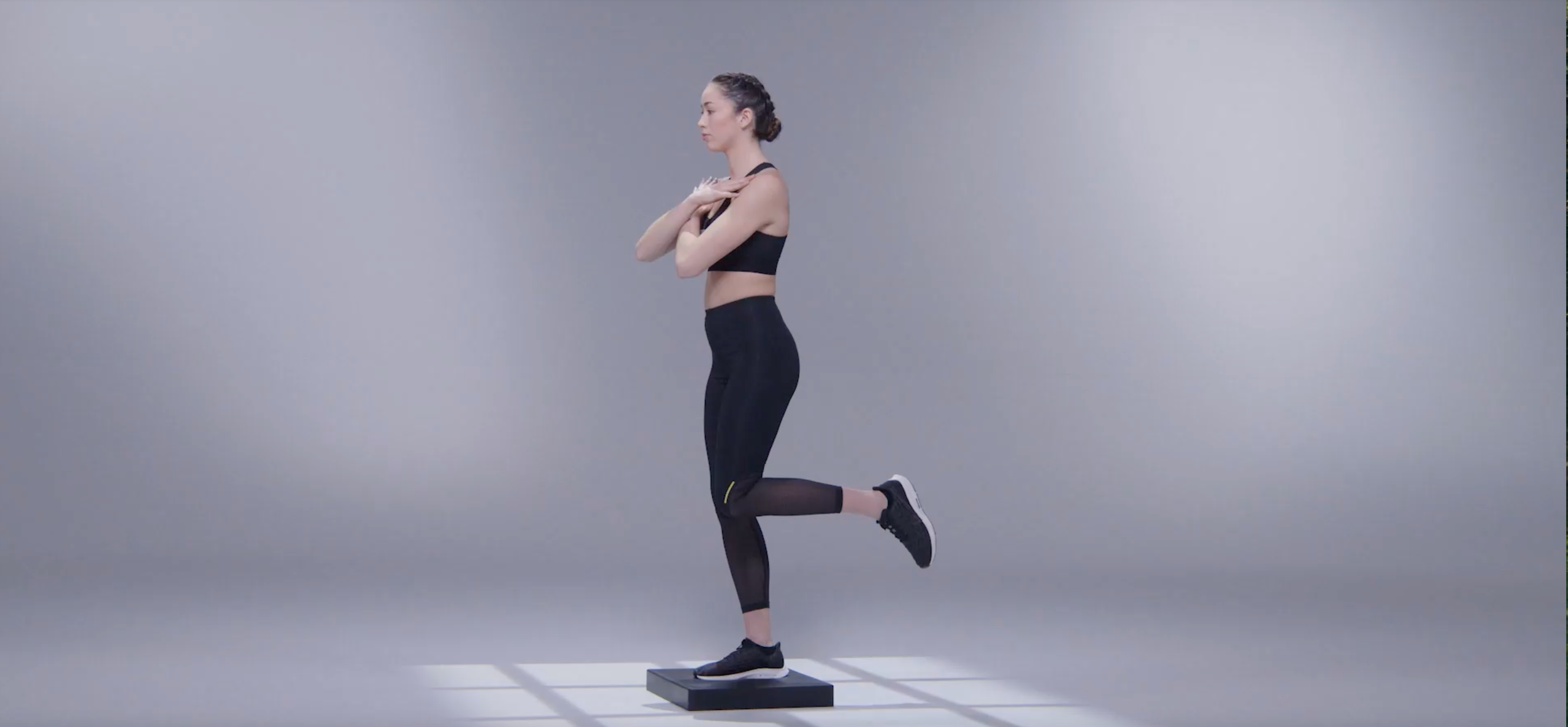
Strength training keeps the body capable, resilient and independent over time; functional training extends it to the movements of daily life, such as lifting, carrying, climbing stairs and rotating. Two or three sessions per week built around multi-joint exercises make a lasting difference, and our full body strength workout is a complete starting point. Single-leg and single-arm work brings the positive effects of unilateral exercises, from better balance to fewer asymmetries, while balance pad exercises train stability. At home, a bench multiplies the possibilities: discover a selection of weight bench exercises and how Technogym Bench brings a complete functional station into a single piece. Reformer exercises for the core, pull-up and calisthenics techniques and, for those focused on muscle growth, the hypertrophic training guide complete the picture.

Cardio machine workouts
Cardiovascular training is the backbone of endurance, heart health and energy. Most weekly volume is best performed at a comfortable, conversational pace, and alternating treadmill, bike and rower keeps training varied while distributing the load across different muscles and joints.

TREADMILL WORKOUTS
EXERCISE BIKE WORKOUTS
Indoor cycling is low impact, efficient and suitable for almost everyone. A stationary bike workout for beginners can start with 20 minutes at an easy cadence, gradually adding resistance changes and short sprints. Pedaling works mainly the legs and glutes, with support from the core, as explained in our guide to the muscles trained with an exercise bike. For people who need extra back support or experience joint discomfort, a recumbent model with a backrest can make training more comfortable: read more about exercise bikes and arthritis, and ask a doctor for advice. A smart bike such as Technogym Ride, connected to the most popular cycling apps, adds structure and variety, while our complete guide to exercise bikes helps compare the different types.
ROWING MACHINE WORKOUTS
Rowing engages legs, back, arms and core in a single fluid movement, combining cardio and muscular work at low impact. Each stroke starts from the legs, continues through the trunk and finishes with the arms, so technique matters more than speed. Our rowing home workout offers sessions to train at home, and the article on why rowing is a super human exercise explains its full-body benefits.
Progress happens between sessions, when the body adapts to the work it has done. Recovery, mobility and daily habits are part of the plan, not an afterthought.
Recovery, mobility and lifestyle

STRETCHING, MOBILITY AND MUSCLE SORENESS
TIMING, HEAT AND MOTIVATION
The best time to train is the one you can protect in your schedule. Many people find that morning exercise improves focus and energy for the rest of the day. In hot weather, choose cooler hours, drink regularly and lower the intensity, following our advice on exercise during summer. And motivation has a soundtrack: the best music for training can make sessions feel shorter and help sustain the effort.
Whatever the goal, the most effective workout plan is the one that can be followed with consistency and enjoyment. Start from where you are, choose a program that fits your life, and let each week build on the last. With a clear structure, thoughtfully chosen equipment and a space that invites movement, training stops being an obligation on the calendar and becomes a natural, rewarding part of every day.