

September 15, 2026
Beginner Strength Program: Build a Powerful Foundation
Whether your goal is to sculpt muscle tone, move with effortless vitality, or feel more capable in everyday life, this guide walks you through everything you need to start with confidence: from mastering essential movement patterns and setting up a balanced weekly rhythm to training smart at home and progressing safely at your own pace.

A thoughtful beginner strength program is not about lifting the heaviest weight in the room. It is about teaching your body to move with grace and control, protecting your joints, and discovering how invigorating it feels to feel capable and energized in your own skin. Strength is the ultimate foundation for lifelong wellness—boosting daily vitality, elevating metabolic health, supporting healthy posture, and cultivating quiet confidence.
BEGINNER STRENGTH PROGRAM AT A GLANCE
- 3 sessions per week
- 5 fundamental movement patterns
- 30-45 minutes per session
- progressive overload
- recovery days
Here is your science-backed, approachable guide to building a rewarding strength routine from day one.
The Foundations of Strength: How Your Body Adapts and Grows
For someone just starting out, this transformation unfolds across three core pillars:
- Your nervous system wakes up first: During your first two months of training, the most noticeable strength gains do not come from larger muscles. They come from your brain and nerves learning to orchestrate movement more smoothly. Think of it like learning an instrument: your body is simply discovering how to activate the right muscles with effortless coordination.
- Balanced, natural movement: Everyday life asks us to bend, lift, carry, and reach. A balanced routine undoes the stiffness of long desk hours by restoring natural posture, opening up tight hips, and creating harmony between the front and back of the body.
- Progressive overload explained: our body only adapts when given a reason to do so. In simple terms, progressive overload means gradually asking for a tiny bit more effort over time as movements begin to feel effortless—whether that means perfecting your movement control, adding an extra smooth repetition, or slightly increasing the load. To explore the complete science and step-by-step methods, dive into our comprehensive Guide to Progressive Overload.
Your Weekly Blueprint: How to Build a Sustainable Workout Rhythm
For beginners, the most rewarding weekly workout plan revolves around 2 to 3 full-body sessions per week, separated by at least 48 hours of rest. Full-body workouts allow you to practice foundational movements frequently without fatiguing any single muscle group to the point of discomfort.
THE 3-DAY WELLNESS SPLIT
- Monday (Focus & Alignment): Squat pattern, Horizontal Press (push-ups or chest press), Horizontal Row, Core stability.
- Tuesday: Restorative movement—a scenic outdoor walk, gentle stretching, or mobility.
- Wednesday (Power & Posture): Hip Hinge (glute bridges or deadlifts), Overhead Press, Lat Pulldown or band pulls, Hip stability.
- Thursday: Rest or light, enjoyable cardio.
- Friday (Balance & Symmetry): Step-ups or lunges, supported rows, core rotational work.
- Weekend: Active living—hiking, cycling, sports with friends, and restorative sleep.
THE RECOVERY RULE: WHY CONSISTENCY BEATS FATIGUE
When people talk about balancing volume and recovery for linear progression, they simply mean that novices can make steady, predictable progress every single week—provided they give their bodies time to adapt. In fitness, you do not get stronger while exercising; you get stronger while resting.- The sweet spot of effort: scientific research shows that beginners see remarkable gains with just 10 to 12 focused sets per muscle group each week. Doing more early on only adds fatigue, not better results.
- Breathing room between sets: strength training is not a race. Take 90 to 120 seconds of rest between exercises to catch your breath, sip water, and reset your mental focus.
- The real accelerators: true physical recovery happens outside the training floor through quality sleep, mindful hydration, and nourishing whole foods.

Smart Workouts: Making Every Minute Count with Resistance Training
THE CORE SEVEN: MASTER THE ESSENTIAL MULTI-JOINT MOVEMENTS
A compound movement recruits several joints and muscle groups simultaneously. Centering your sessions around a foundational lifting routine for strength trains your body to work as a graceful, connected unit, developing functional core strength in under 45 minutes.Here are the seven fundamental movement patterns that form the foundation of human movement:
Squat
Legs and glutes
Lower your hips as if sitting into a chair, then stand back up. Build the strength needed for everyday sitting, standing, and lifting.

Lunge
Legs, glutes, and core
Step one foot forward and lower your body, then push back up. Strengthen your legs and improves balance, helping you move with confidence.

Hip Hinge
Back of the legs, glutes, and lower back
Push your hips back with a straight back, then return to standing. This movement builds the strength needed to lift objects safely from the floor.

Push
Chest, shoulders, and arms
Push a weight away from your chest, then return with control. Strengthens your chest, shoulders, and arms for easier everyday pushing movements.

Pull
Back, shoulders, and arms
Pull a weight toward your body, then return with control. Build the strength needed for everyday lifting and carrying.

Twist
Core and obliques
Rotate your torso side to side while keeping your hips stable. Build the control needed for everyday reaching and turning.

Carry
Core, shoulders, arms, and grip
Hold and carry a weight with good posture. Build the strength and stability needed for everyday carrying.
| Movement Pattern | What It Enhances | Foundational Exercise | Minimal Equipment / Home Option |
|---|---|---|---|
| 1. Squat Bilateral Knee-Dominant | Thighs, glutes, core stability | Dumbbell Goblet Squat | Controlled Box / Chair Squat |
| 2. Lunge Unilateral Leg Strength | Balance, hip stabilizers, symmetry | Walking or Reverse Lunge | Bodyweight Split Squat |
| 3. Hip Hinge Posterior Chain | Glutes, hamstrings, lower back health | Romanian Deadlift (RDL) | Glute Bridge or Band Good Morning |
| 4. Push Upper Body Press | Chest, shoulders, triceps | Dumbbell Chest Press / Overhead Press | Incline Hands-on-Bench Push-Up |
| 5. Pull Upper Body Back | Upper back, lats, postural alignment | Supported Dumbbell Row / Lat Pulldown | Resistance Band Standing or Seated Row |
| 6. Twist Rotation & Anti-Rotation | Obliques, deep core, spinal protection | Cable or Band Pallof Press | Half-Kneeling Band Core Rotation |
| 7. Carry Loaded Locomotion | Grip strength, full-body posture, core endurance | Dumbbell Farmer's Walk | Single-Arm Suitcase Carry |
A Tailored Approach: Strength Training for Women and Beyond
A prime example is the beginner strength training program for women. For years, conventional wisdom wrongly suggested that lifting weights would create an overly bulky physique. In truth, female physiology naturally fosters a sculpted, lean, and athletic tone rather than rapid bulk. Strength training provides profound benefits for women of all ages: it strengthens bone mineral density, supports hormonal harmony, boosts daily metabolic rate, and fosters empowering physical self-reliance.
Starting out, focusing on the posterior chain—the hamstrings, glutes, and upper back—is especially transformative for stabilizing the hips and knees while encouraging upright posture.

Strength at Home: Smart Training in Any Space
HOW TO CREATE AN INSPIRING AT-HOME PRACTICE:
- Master bodyweight first: Learn to own your bodyweight movements with poise. Perfecting an incline push-up or a bodyweight split squat builds deep joint stability before adding extra weight.
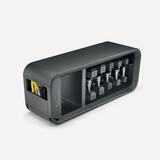
- Choose thoughtful, functional tools: clutter-free living calls for versatile tools. A beautifully engineered, compact bench—such as the Technogym Bench—paired with elastic bands and dumbbells gives you an entire training studio in a sleek footprint.
- Use the power of tempo: when training with lighter weights at home, you can deepen the challenge simply by slowing down. Lowering under control for three to four seconds dramatically increases muscle engagement and joint stability—a smart, elegant way to apply progressive overload without needing heavier loads.
- Follow connected guidance: modern tools like the Technogym App take the guesswork out of home training, offering form cues, tailored pacing, and progressive workout structures that fit seamlessly into your day.



Measuring Progress: How to Get Stronger, Safely
1. CELEBRATE SMALL MILESTONES
Tracking your journey keeps you motivated. While a simple notebook works, using a connected tool like the Technogym App elevates the experience—automatically logging your sets, calculating your total volume, and celebrating each milestone so you always know when you are moving in the right direction.2. THE COMFORT-FIRST RULE FOR ADDING WEIGHT
How do you know when it’s time to move up in weight? Use this gentle guideline: if you can complete your target repetitions with two more reps still "in the tank" for two workouts in a row, you are ready for a small increase.- For upper-body moves: Add a gentle 1 to 2 kg (2 to 5 lbs).
- For lower-body moves: Add 2 to 4 kg (5 to 10 lbs).
3. LISTEN TO YOUR BODY
Finish each set knowing you could have done 2 or 3 more repetitions with clean technique if someone asked you to. This mindful approach—known as keeping "reps in reserve"—protects your joints, keeps exercise enjoyable, and ensures you wake up ready for life the next day. For those training with connected strength solutions like Biostrength, artificial intelligence takes the guesswork out entirely—dynamically adjusting resistance and guiding your tempo for the safest possible progression.FAQs
Evolve your strength
Mastering individual training principles is the key to unlocking your true physical potential. To see how these variables fit into a complete, elite-level program and to build a bulletproof physical foundation, check out our comprehensive strength training guide and take your performance to the next level today.

More on strength


Delivering education and training experiences
An exclusive, world‑class hub empowering wellness, fitness, sport, and health experts with research‑driven learning experiences. From immersive programs to international workshops and certifications, it connects a global community of professionals and thought leaders, shaping the future of the industry.